EVE QUESTED
Some houses have secrets.
The Stoneway holds memories.
The Stoneway — a novel by Eve Quested — inspired by one old house and the generations who called it home.
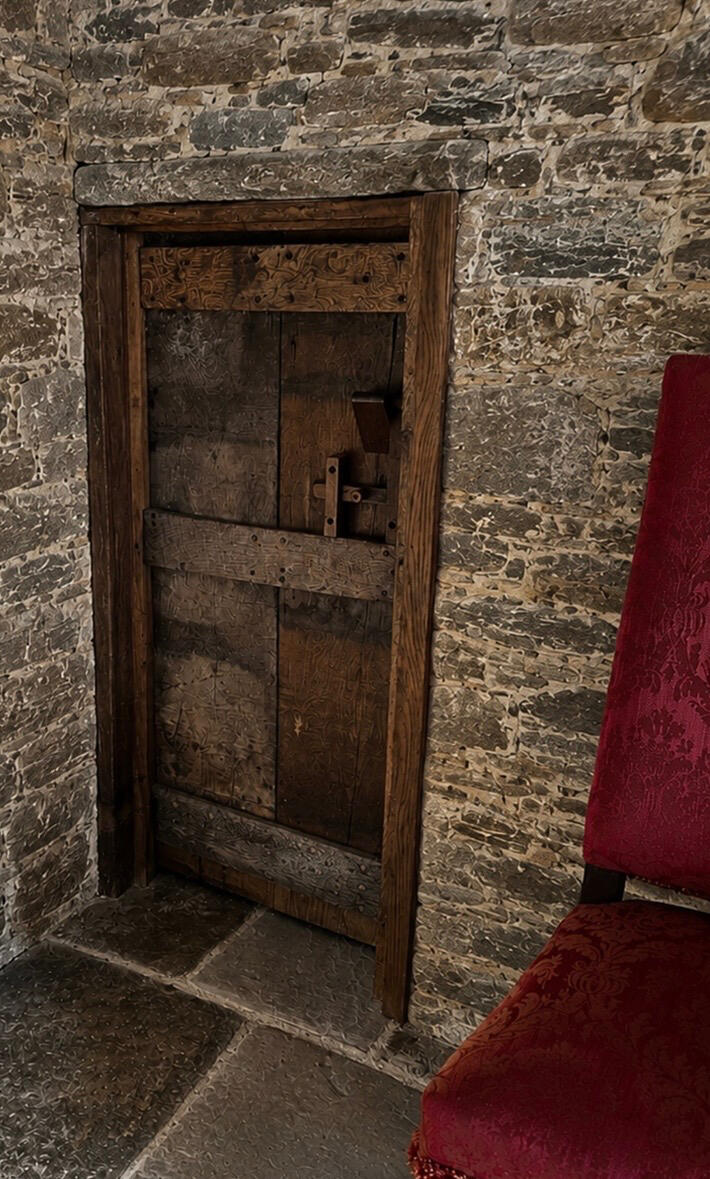
When Gabbie discovers a hidden way into the past of Stoneway House, she realises the future of her home depends on secrets buried for centuries.Each journey into another era reveals choices that shaped the house — and choices she must now face herself.
The Stoneway
When Gabbie moves into Stoneway House, she expects nothing more than an old house full of history and perhaps a few secrets. She does not expect to discover a hidden way into the house's own past. As she shares in the lives of its former inhabitants, she witnesses the layers of change that have shaped it over the centuries.Drawn into five moments in the history of the Stoneway, Gabbie finds herself living alongside the people who once called it home: a lonely evacuee from London; a family whose future is threatened by a militia ballot; a prosperous clothier facing difficult choices in changing times; an ordinary farming family whose livelihood is put at risk by events beyond their control; and a young man carrying a charter containing words that would change England forever.As Gabbie becomes part of their lives, she gradually discovers that the future of the Stoneway depends upon far more than she ever imagined. Learning to trust her instincts and play her part, she comes to realise that home can mean much more than simply the place where you live.
The Story Behind The Stoneway
Old buildings often feel as if they hold memories. Some are easy to uncover; others are hidden beneath centuries of change, waiting for someone curious enough to ask the right questions.Many years ago, while researching my family history, I discovered that my ancestors had lived for many generations in an old house in the Weald of Kent. When I visited, I found that its owners had traced the title deeds back to the early nineteenth century. A clothier family was believed to have owned the house much earlier but little else was known, and no one knew that my own family had once lived there.That discovery set me on a path I would return to over many years.At first, I wanted to understand my own family's connection with the house. How had they come to own it? How long had they lived there? Why had they eventually left? Could I uncover enough evidence to piece their story together? Answers slowly emerged, each leading to another question. I never found every answer, but I found enough to begin building a picture. Gradually my attention shifted beyond my own family to the house itself and the people who had lived there before them.I discovered how the house had changed over the centuries, reflecting the changing lives of the people who called it home. The house that survives today reflects hundreds of years of change, each generation inheriting what had gone before and leaving something for those who followed.Within the house were clues to something older still: traces of vanished walls and a hidden stone floor. Each clue suggested that its story reached further back than anyone had known.As I learnt more about the house and its history, I became increasingly drawn to the ordinary people who had lived there: farmers, clothiers, carpenters, their servants and children. I wanted to understand how their lives and the buildings themselves were intertwined. Details of their lives rarely survive, yet they are the people who shaped the place we still see today.Those first questions led to a journey that took me further than I could ever have imagined. As these earlier worlds came alive for me, I began to wonder how I could share that sense of discovery with others. That question led to The Stoneway.Gabbie's journeys into the past are fictional, but they allowed me to weave together fragments I’d uncovered into stories of people whose lives shaped this place over many centuries. Through her eyes, readers can share the same curiosity that first drew me into the house's past, gradually peeling back the layers to reveal how it came to be what it is today.I hope The Stoneway encourages readers to look more closely at the world around them. Every old house, every village and every landscape has a story waiting to be discovered. Sometimes all it takes to begin the journey is a little imagination and the courage to ask a few questions.
About Eve Quested
Eve Quested is the author of The Stoneway, a historical time-slip novel inspired by a real Wealden hall house and the generations who lived there.
I've been fascinated by old buildings for as long as I can remember. I'm rarely interested in the pictures hanging on their walls; it's the buildings themselves that capture my imagination. I find myself wondering how they have changed over the centuries, who lived there, and what those buildings might still reveal about the people who once called them home.My debut novel, The Stoneway, grew out of many years researching my family's history and its connection with a former Wealden hall house they called home for four generations.When I'm not writing or exploring Britain's landscapes and history, I enjoy spending time with my family and my two Vizslas, Kite, my old girl, and Réka, the newest addition to our household.


© Eve Quested 2026
Contact: [email protected]